Mediaș · Wine Country · Transylvania
Here, wine wrote history.
Eight centuries of vines, people and courage in the Târnava valley. Mediaș was Transylvania’s wine metropolis — and the story of Caspari and Ambrosi carried grafted vines from Transylvania almost to the edge of Asia.
The wine story of Mediaș
A house, a name, a continent replanted.
We are not selling a legend. We are reconstructing it.
Mediaș was called a wine metropolis, and the book behind this site considers it the only town of its kind in Europe. Here wine was currency, and one name — Caspari — turned grafting into an industry: four million vines in the warehouses, thousands of catalogues sent out every year, trainloads bound for Austria, Hungary, Oltenia and Russia.
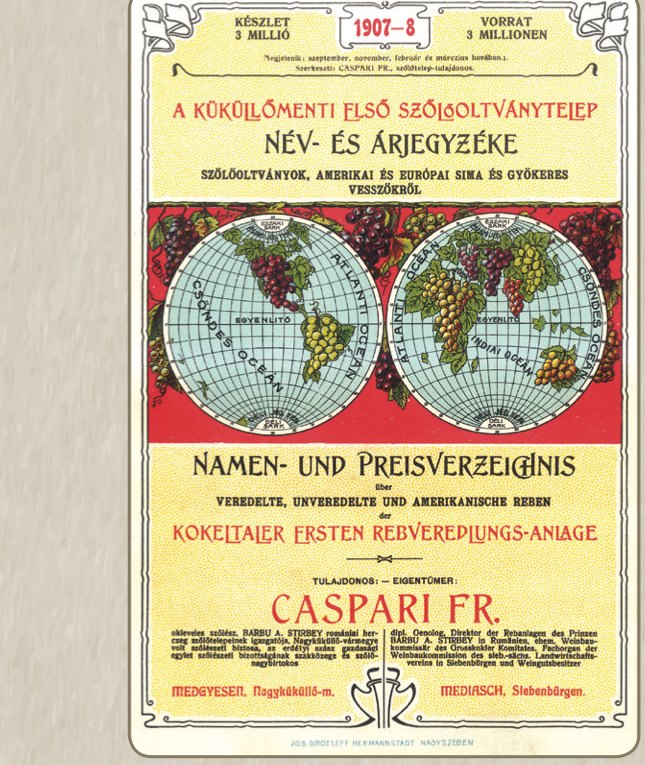
The family archive was assembled between 2005 and 2021, starting with documents received from Maia Caspari during the renovation of the Buresch house: signboards, labels, leaflets, envelopes, a 1907 price catalogue and the family chronicle covering 1651 to 1983. We read them, show them and build on them.
Every bottle bearing the Caspari name helps fund the restoration of the house on Honterus Street, the museum and the reactivation of the cellar. This is not an image exercise, but a cultural reconstruction.
From the preface to “Metropola de Vin”, Tavi Isailă, 2021

The story guide
Welcome. I am Pitz.
The city sommelier. Your guide through 800 years of wine.
They say that centuries ago the Saxons of Transylvania travelled to Oltenia to buy wine. After a night of celebration, when the barrels were ready to be loaded, one of them stood up and said: „Halt, ich bin der Schmecker!” — „Stop, I am the taster!” That is how the Romanian word „șmecher” was born, and how the story reached Mediaș.
Turrepitz, the guard of the citadel, put on the sommelier’s apron and became Schmecker. Since then he stands at the gate of the story: he shows where to look, what to taste and what is worth carrying further — from 1206 and 1283 to phylloxera, Caspari, Ambrosi, Fetească Regală and Weinfest.
Good wine is not drunk quickly. It is listened to.
Pitz the Sommelier
I. The Wine Country
Mediaș, at the heart of Weinland.
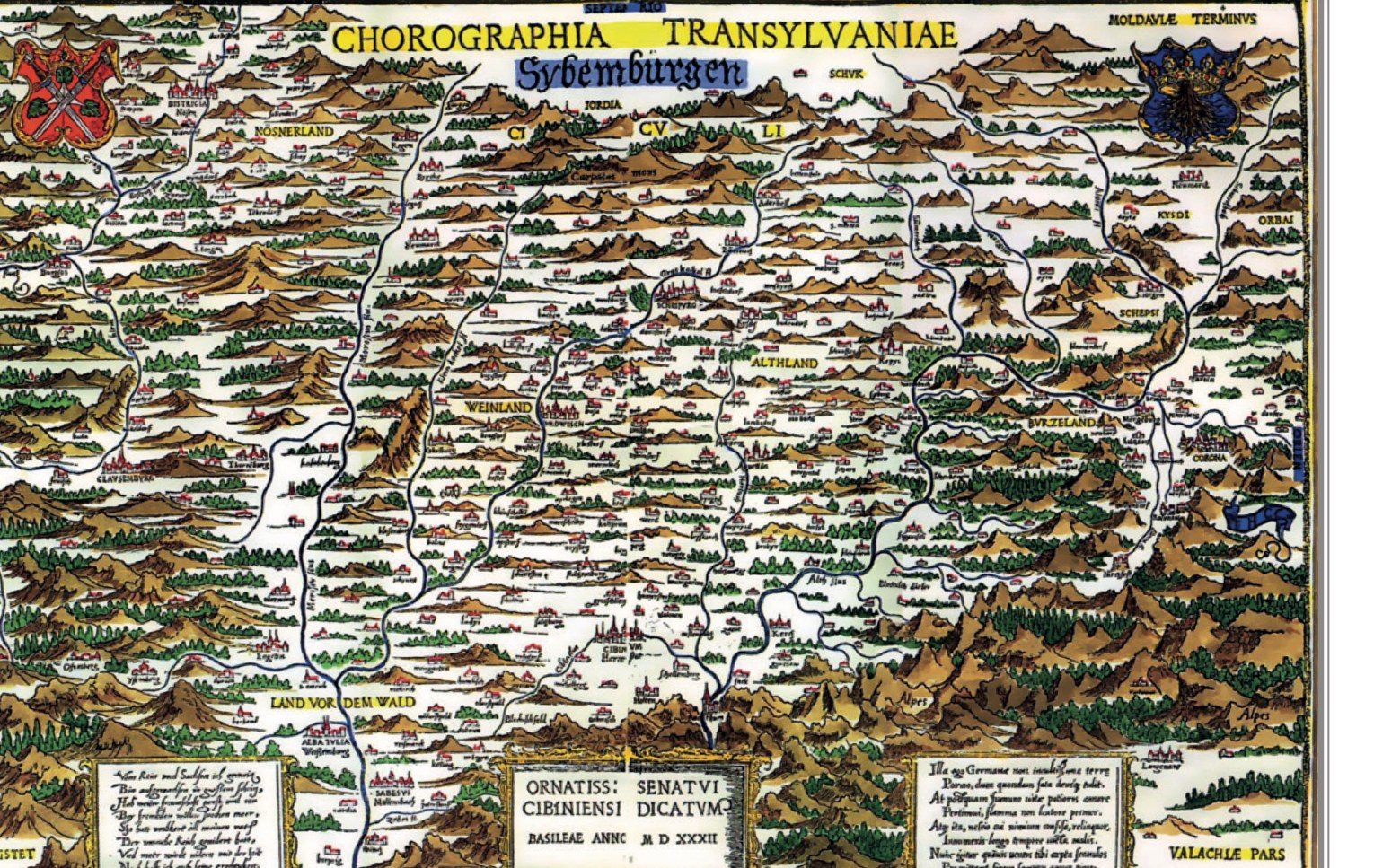
On the map of Johannes Honterus, printed in Basel in 1532, the region between the Greater and Lesser Târnava bears a name that would define a whole way of life: Weinland — the Wine Country. The 1566 map of Transylvania repeats it.
Intensive viticulture is attested here from 1206. By 1549 the town seal showed a hand holding a vine with three bunches — the motif that still inspires the emblem of Mediaș. Between 1501 and 1858, the authorities set an annual reference price for an 11.32-litre bucket of wine; goods prices and taxes were fixed by it.
In 1666 the geographer Johannes Troster wrote that Medwisch had good wine and many vineyards. Two centuries later Charles Boner described Transylvania’s “liquid gold” in London, and Baron Liebig, a member of an exhibition jury, awarded the gold medal to the wine of Mediaș.
Medwisch has good wine and many vineyards; the Wine Country fully deserves its name.
Johannes Troster, 1666
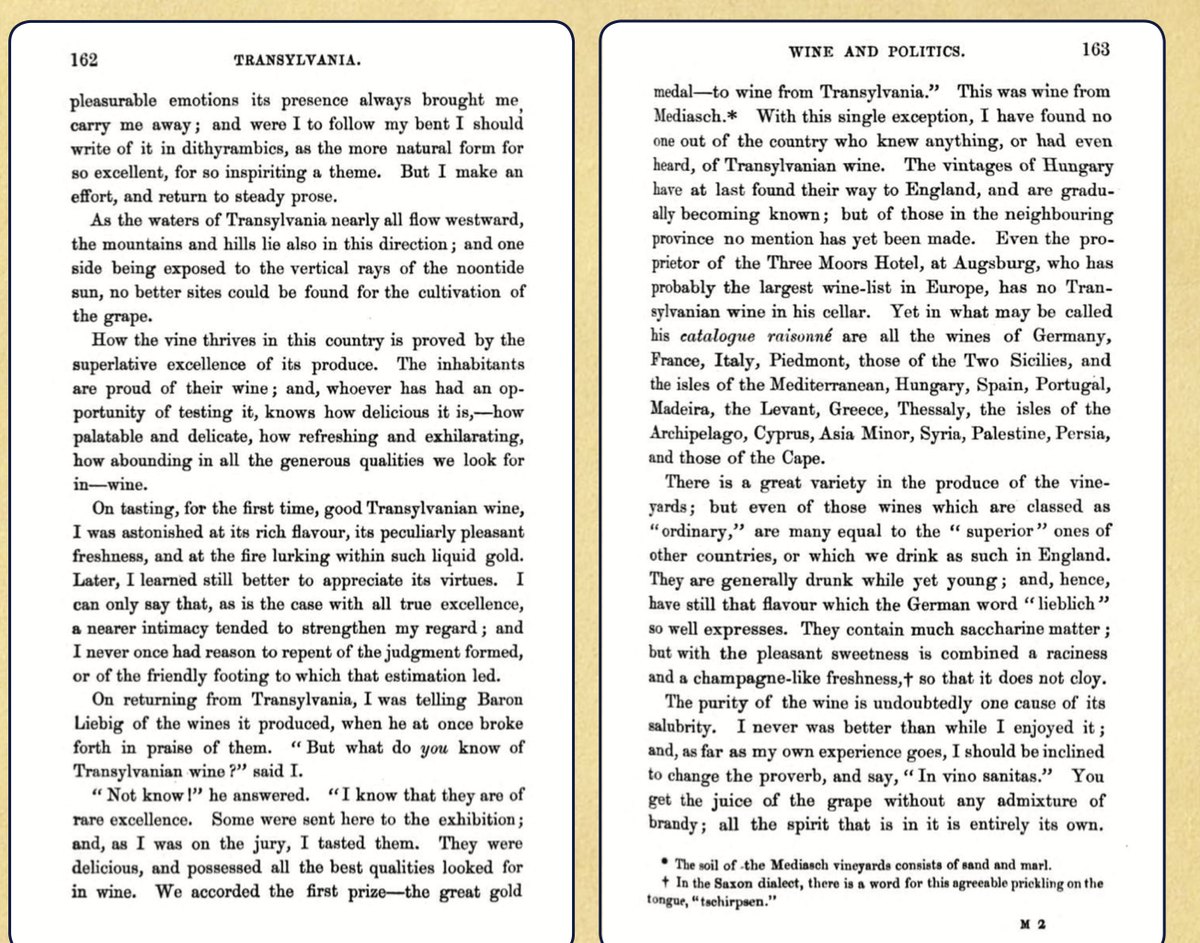
On tasting, for the first time, good Transylvanian wine, I was astonished at its rich flavour, its peculiarly pleasant freshness, and at the fire lurking within such liquid gold.Charles Boner, Transylvania, its products and its people, London, 1865
Open Weinland
Weinland, measured in documents.
The most detailed survey of Transylvanian viticulture comes from Hans Acker’s “Weinland Siebenbürgen” (1991).
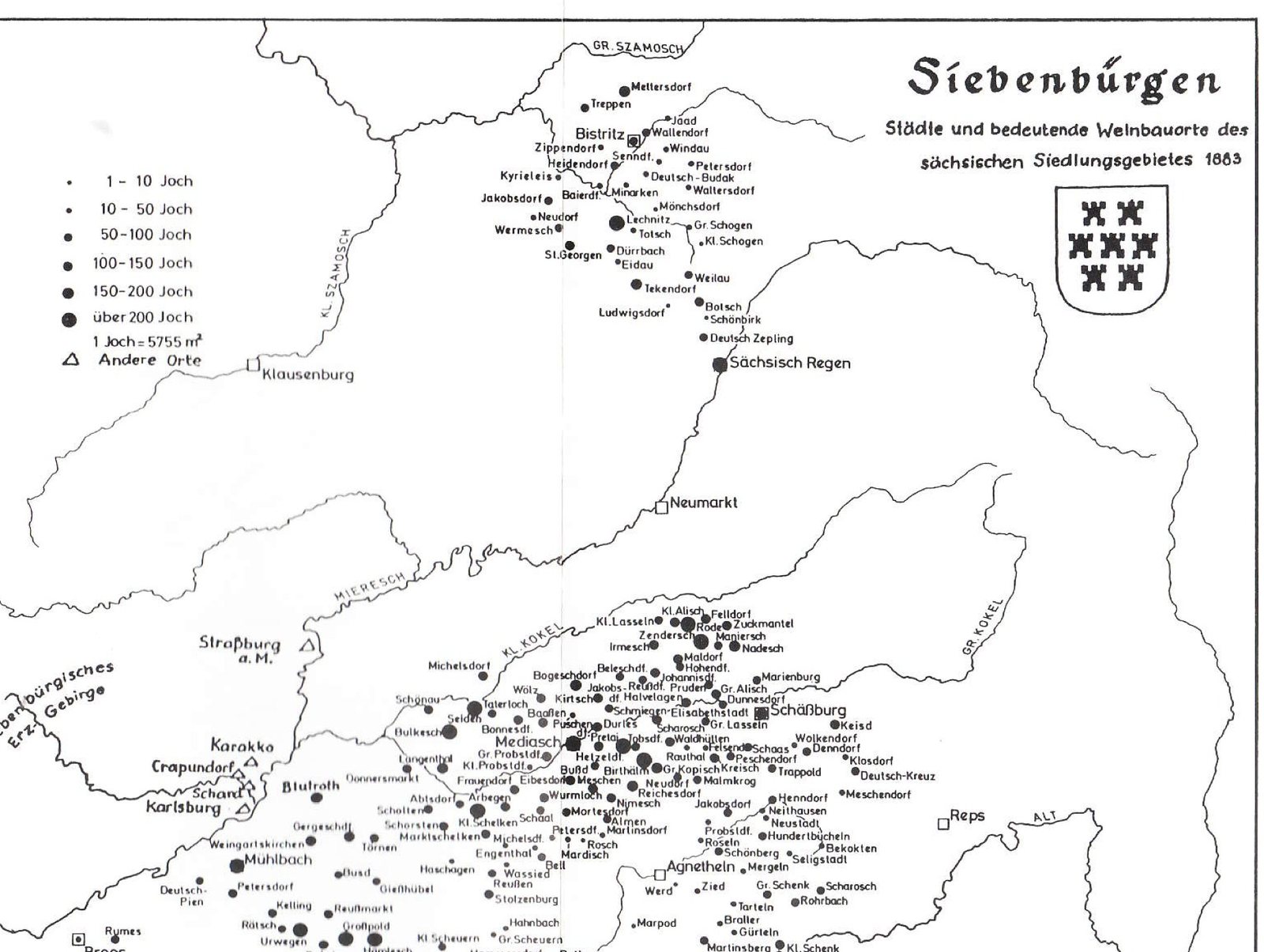
Acker reconstructs a network of 78 winegrowing communities in the Kokel basin, with more than 6,000 hectares of vineyards — the largest and most valuable wine region in Transylvania. Mediaș was its centre, not just a town with vineyards.
The documents begin in 1206, when two royal charters mention wine in Transylvania. In 1283, Bishop Peter of Transylvania received the natural tithe from the people of Mediaș — wine, honey and lambs — in exchange for 40 marks of silver. From 1501 to 1858, the Mediascher Stadtbuch recorded the price of must and wine, the harvests and their quality year after year: 357 uninterrupted years.
In 1859 the first register of grape varieties was compiled at the Evangelical Gymnasium in Mediaș. In 1883 the vineyard area was mapped, and after 1889 phylloxera forced replanting. Downy mildew (Peronospora) appeared in the Mediaș area in 1880; by 1892 it had affected 115 hectares in the Kokel valley, and in 1910 half of Hungary’s wine harvest was destroyed. In 1929 the Agricultural School in Mediaș established the country’s first downy mildew warning station, and in 1931 the Saxon Agricultural Association published its list of recommended varieties.
Mediaș was not just a town with vineyards: it was the centre of a network of 78 winegrowing communities.
after Hans Acker, Weinland Siebenbürgen, 1991
II. Phylloxera
Phylloxera and the man who replanted Europe.
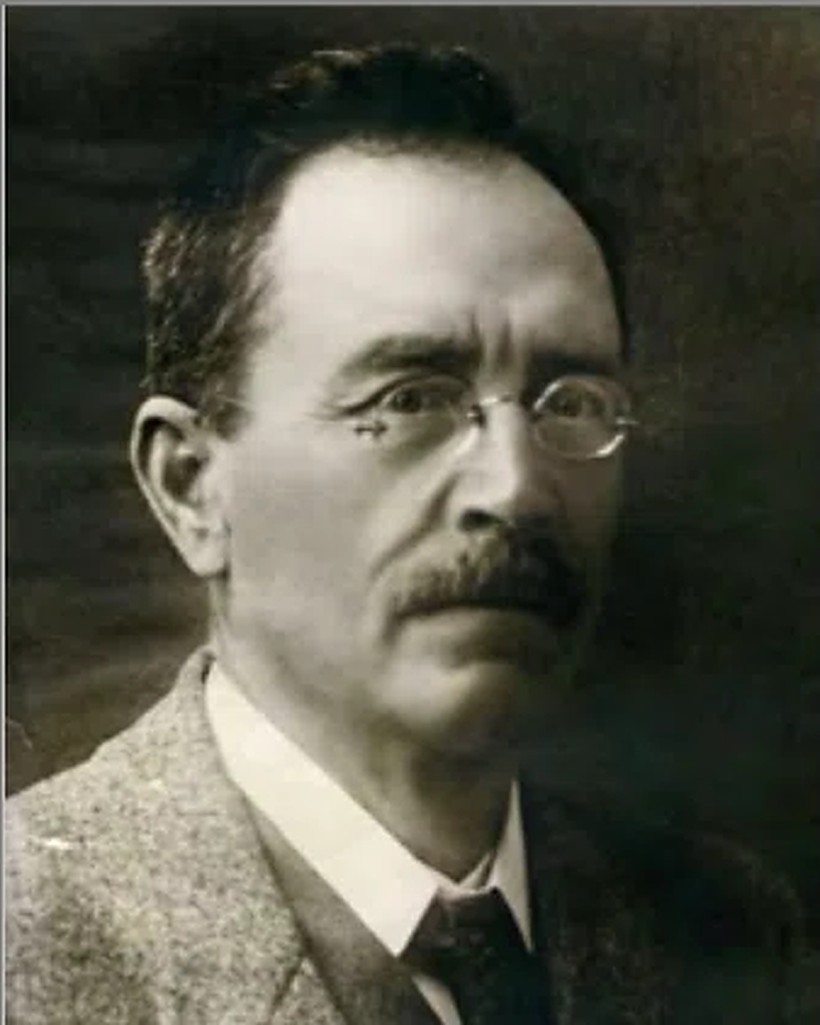
Returning from Klosterneuburg, Friedrich Caspari found Europe’s vineyards devastated by phylloxera. The insect from North America had reached France in 1863 and the Târnava valley in 1889. Replanting could no longer be left to each individual owner.
In 1892 Caspari was appointed state commissioner for the fight against phylloxera. For a decade he gave courses, wrote articles and accompanied growers as they replanted. In 1902 he took the decisive step: he imported American grafted vines, produced rootlings and opened a vine school in Mediaș.
The business grew to four million vines in the warehouses, thousands of catalogues sent out each year and trainloads to Austria, Hungary, Oltenia and Russia. In 1907 he bought back the family house on Honterus Street — the promise he had made as a child. He died in 1935, after a life devoted to the vine.
Details on caspari.roGrafted vines left the Târnava valley and reached almost the border of Asia.
Metropola de Vin, 2021
III. Ambrosi
The second pioneer. The same valley.
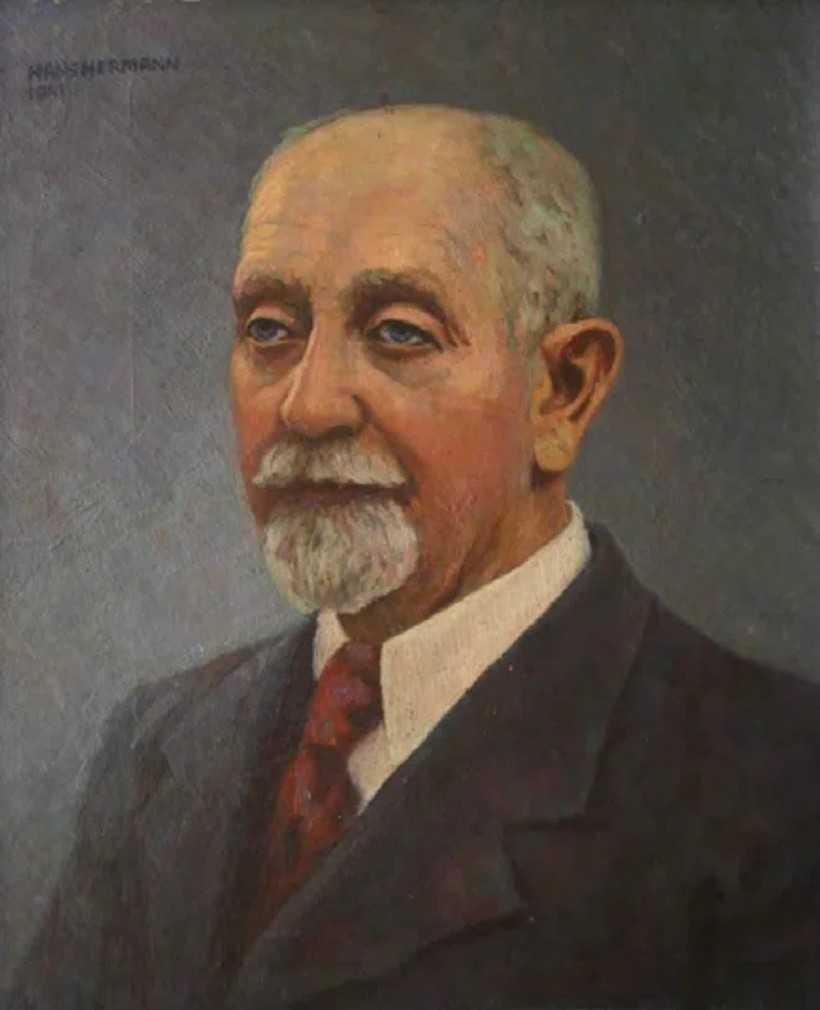
Michael Ambrosi sen. (1862–1933) came from a family of growers in the Târnava region. Having lost his father at thirteen, he took over the family vineyards. In 1889 he established the Viticultural Commission of the Saxon Agricultural Association, and from 1892 he worked closely with Friedrich Caspari.
His son, Michael Ambrosi jun. (1880–1940), carried the business further: the “Ambrosi, Fischer & Co” nursery at Aiud, the Gräfenberg estate at Mediaș, the vine school and exports to the Balkans, Bessarabia and the Baltic states. In the 1920s, in Mediaș, the Ambrosi name is linked to Fetească Regală, the variety that would become Romania’s most planted.
The family produced four generations of growers, down to Hans Ambrosi (1925–2012), director of the state vineyards of Hesse and author of more than 60 books on wine. A story that links Mediaș to the Rheingau, to Stellenbosch and to the wider world.
Details on ambrosi.roCaspari and Ambrosi divided Europe in two: one went west, the other east.
Metropola de Vin, 2021
IV. The Archive
The documents tell everything.
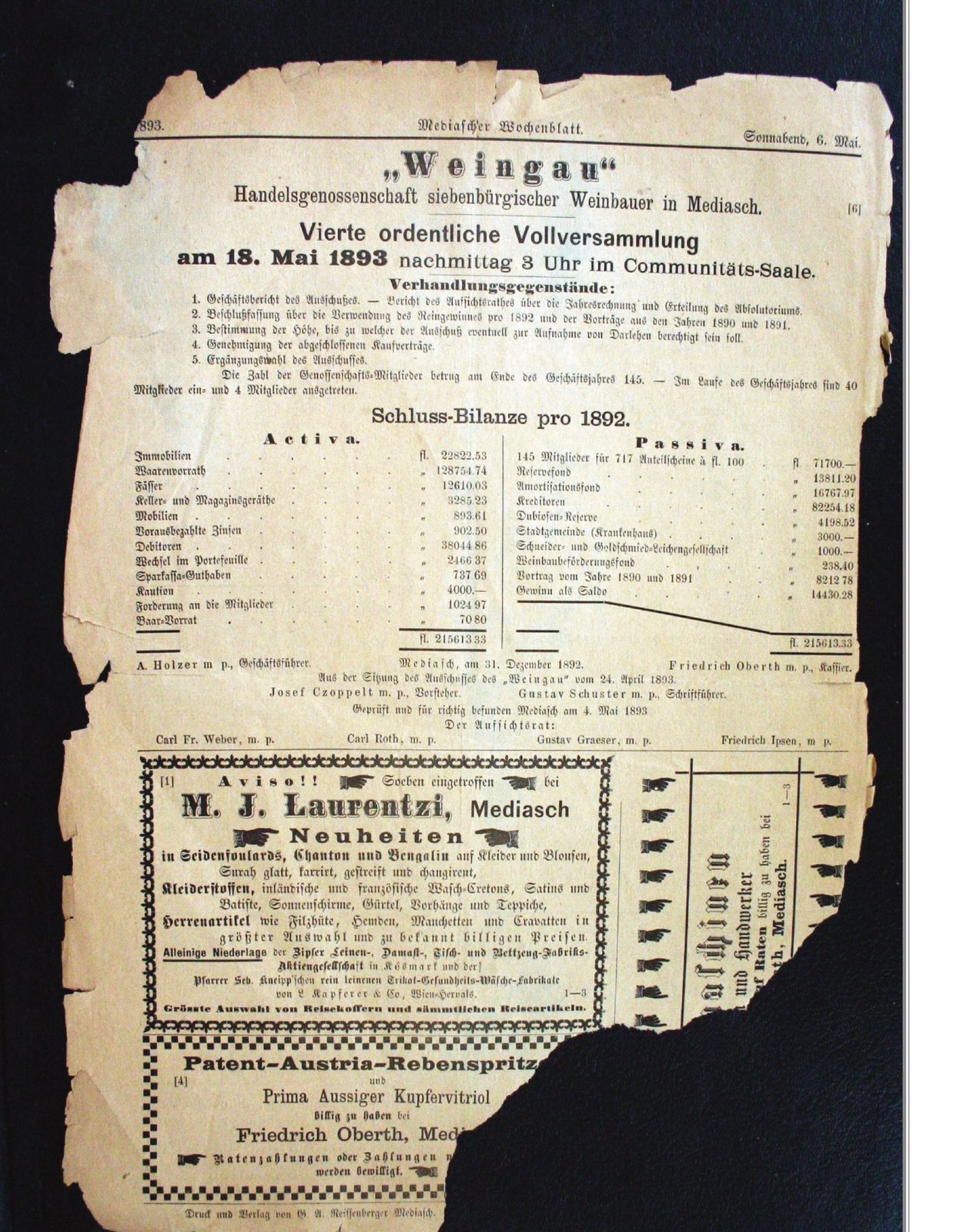
The archive was assembled between 2005 and 2021, starting with documents received from Maia Caspari during the renovation of the Buresch house. It is not an official archive, but a private collection grown through donations, local archives and public libraries.
It holds signboards, labels, 1907 leaflets, the 1907–1908 price catalogue, an advertisement from the Mediascher Wochenblatt of 13 February 1909, envelopes with 1938 stamps, a Știrbey–Caspari dispatch form and seven pages from Furnica magazine.
Each piece of paper answers a different question: legal acts fix rights and memory, advertising shows how wine was sold, labels show what reached the market, catalogues show what was demanded, correspondence shows who spoke to whom and in what language. Together they reconstruct an entire firm.
The documents are not an appendix to the story; they are its method of verification.
Metropola de Vin, 2021
Documents · 1854–1938
Letters, exhibitions, medals.
Beyond the figures, history is read in the papers of the time: letters of thanks, catalogues, medals and the notes of an English traveller.
July 1907„I am very pleased with the noble vines planted in spring…”
Baron Inczedy
August 1907„I am glad to tell you that the grafted vines planted this spring have taken well and are developing wonderfully, so that I am extremely pleased with the results.”
Prince Alois Liechtenstein
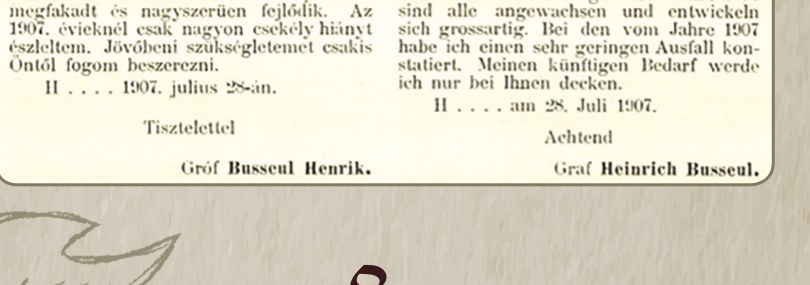
28 July 1907„I am fully satisfied with the grafted vines you supplied. The 2,000 pieces from 1906 have taken and are growing beautifully. In those from 1907 I found a very small loss. In future I will buy only from you.”
Count Heinrich Bussell
After comparing other vines, Count Ladislau Szapary decided to buy only Caspari vines from then on. The letters were printed in the 1907–1908 catalogue, next to the list of varieties and prices.
The catalogue was not a simple price list: it was an instrument of trust. In its pages Caspari gathered proof from clients — letters, recommendations, famous names — and sent it to every wine region of Europe.
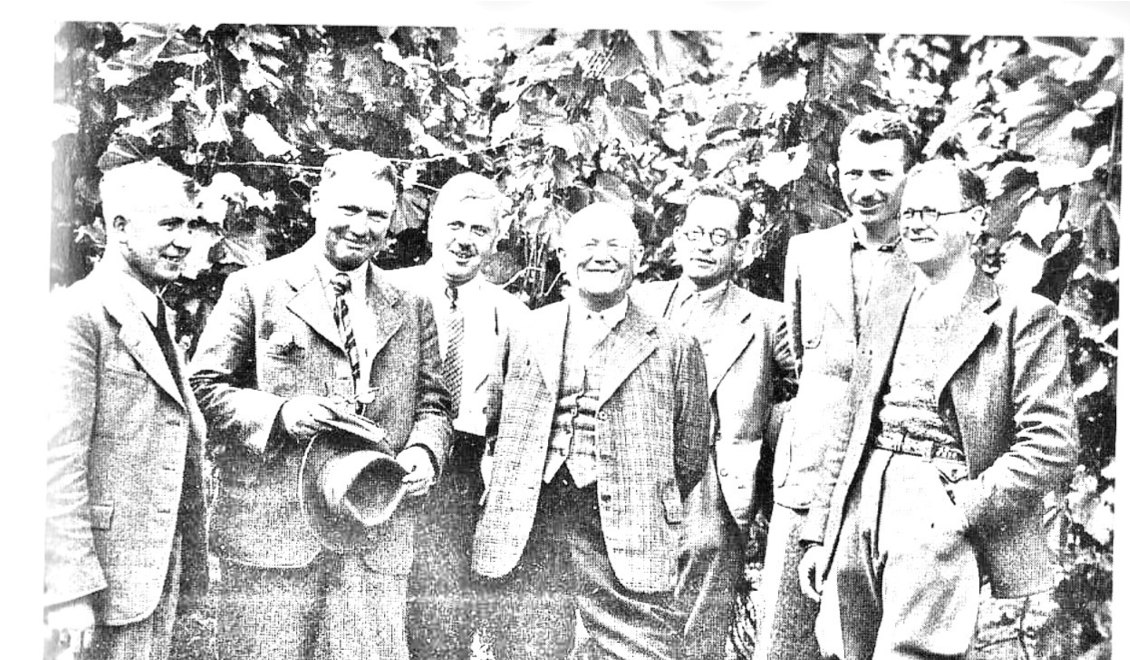
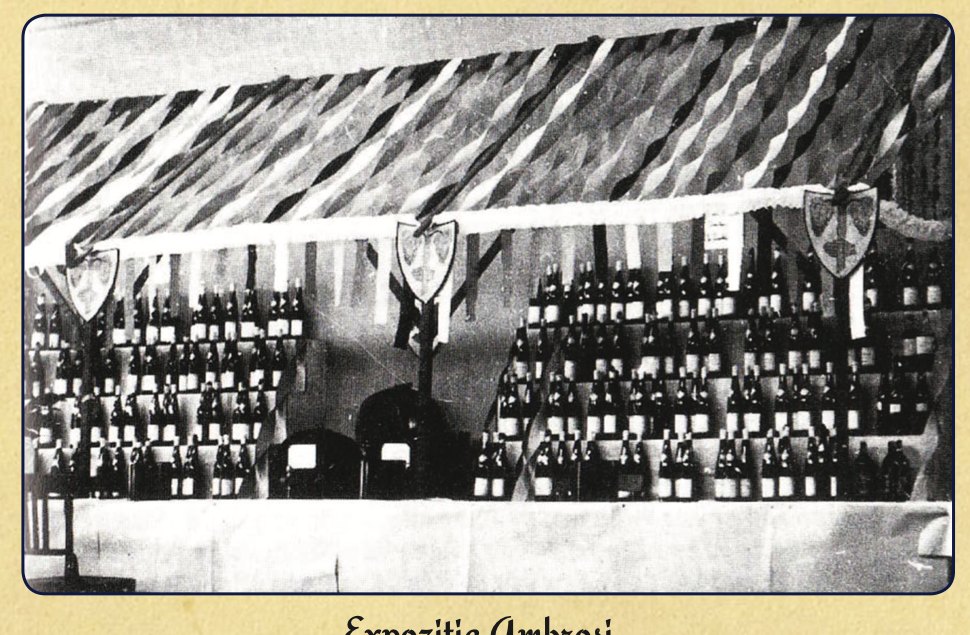
Exhibitions were the other showcase. A Mediaș wine received the Grand Medal at the Munich Industrial Exhibition in 1854; at Vienna in 1857 Transylvanian wines were commended, and later came distinctions from Paris, Brussels, Berlin and Prague. In 1937 Mediaș hosted another wine exhibition and the awards for the growers of the Târnava valley; in summer 1938 specialists of the German Viticultural Association visited the town.
Charles Boner, an English traveller and friend of the chemist Justus von Liebig, visited Transylvania in 1863–1864. In „Siebenbürgen, Land und Leute” (Leipzig, 1868) he describes Mediaș wine as „liquid gold” and records Liebig’s analyses: the Steiniger wine of Bistrița had 14.45% alcohol, 0.48 acidity and 2.6 extract; the Alba Iulia wine, 13.4% alcohol, 0.9 acidity and 1.5 extract. Boner ends: „in vino sanitas”.
The signature grape
Fetească Regală, a name born in Mediaș.
Through the selections made at the Gräfenberg vineyard and in the family nurseries, Michael Ambrosi jun. went down in history as the “godfather” of the name Fetească Regală. The variety would become the most planted in Romania: around 12,661 hectares.
Mediaș has proposed that 3 June become Fetească Regală Day — a tribute to a grape that left Transylvania and conquered a country.
One grape, one town, one identity.
Timeline
Eight centuries, in brief.
The milestones that built a wine town. Swipe or scroll through the timeline.
Vines attested
Intensive viticulture is documented in the Mediaș area.
Wine as currency
The 11.32-litre bucket fixed prices and taxes.
Weinland
Honterus's map marks the Wine Country in the heart of Transylvania.
The town seal
A hand holding a vine with three bunches inspires today's emblem.
The family tradition
The Caspari family chronicle begins and is kept until 1983.
Troster's testimony
The geographer notes that Medwisch has “good wine and many vineyards”.
Charles Boner
London learns of the wine of Mediaș; Baron Liebig awards it the gold medal.
The Agricultural School
The first agricultural school in Transylvania is founded.
Phylloxera
The disease reaches the Târnava valley; Michael Ambrosi sen. takes over the Viticultural Commission.
Caspari, commissioner
Friedrich Caspari returns from Klosterneuburg and begins his collaboration with Ambrosi.
The nursery
Caspari opens his grafted-vine school; Ambrosi lays the foundations of the nursery at Aiud.
The Honterus house
Friedrich Caspari buys back the family house on Honterus Street.
4 million vines
The Caspari warehouses hold four million grafted vines.
Fetească Regală
The variety that would become Romania's most planted is named at Mediaș.
The legacy
Friedrich Caspari dies at Mediaș after a life devoted to the vine.
The Wine Metropolis
The reconstruction volume by Tavi Isailă is published.
Archive
Documents that survived.
Maps, postcards, photographs, advertisements and documents gathered over the years. A selection from the Metropola de Vin archive.
Images from “Metropola de Vin” (Tavi Isailă, 2021) and “Sächsische Weinbaupioniere” (Hans Ambrosi, 1985), with the support of the Association of the Native Place of Mediaș.
The story network
Five doors further.
The wine story of Mediaș continues on the sites that research it, display it and celebrate it.
Caspari
The Caspari house: eight chapters, the family chronicle 1651–1983, 4,000,000 grafted vines, nine trademarks and the house at Honterus 6.
Open the site 02 ambrosi.roAmbrosi
Four generations, 1862–2012: the nurseries at Aiud, Crăciunel and Buftea, 8–10 million grafts a year and Fetească Regală, today on 12,661 ha.
Open the site 03 schmecker.ro · schmecker.euSchmecker
The legend of the first taster — „Halt, ich bin der Schmecker!” — and how Turrepitz, the citadel guard, became the sommelier Schmecker at Weinfest 2025. The story also explains the origin of the Romanian word „șmecher”; the local schmecker.ro domain is in preparation.
Open the siteWine Museum
The museum project of the Wine Metropolis: archive, labels, catalogues and objects that tell 800 years. The muzeulvinului.ro domain is being prepared.
In preparationWeinfest
The annual festival in the castle courtyard: wine, history and music. The 2025 edition launched Schmecker and the „Mediaș – The core of Transylvania” strategy.
Open the siteCaspari and Ambrosi are the two pioneer houses of replanting; Schmecker, the Wine Museum and Weinfest are the ways Mediaș tells its story today.
Visit
Mediaș is waiting for you.
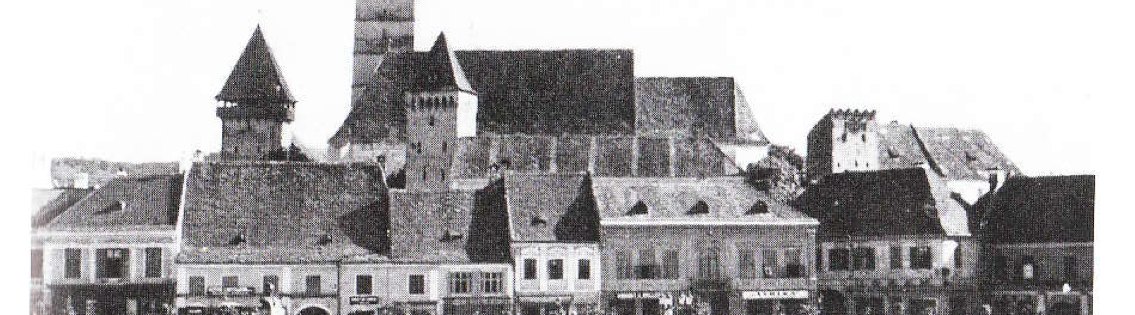
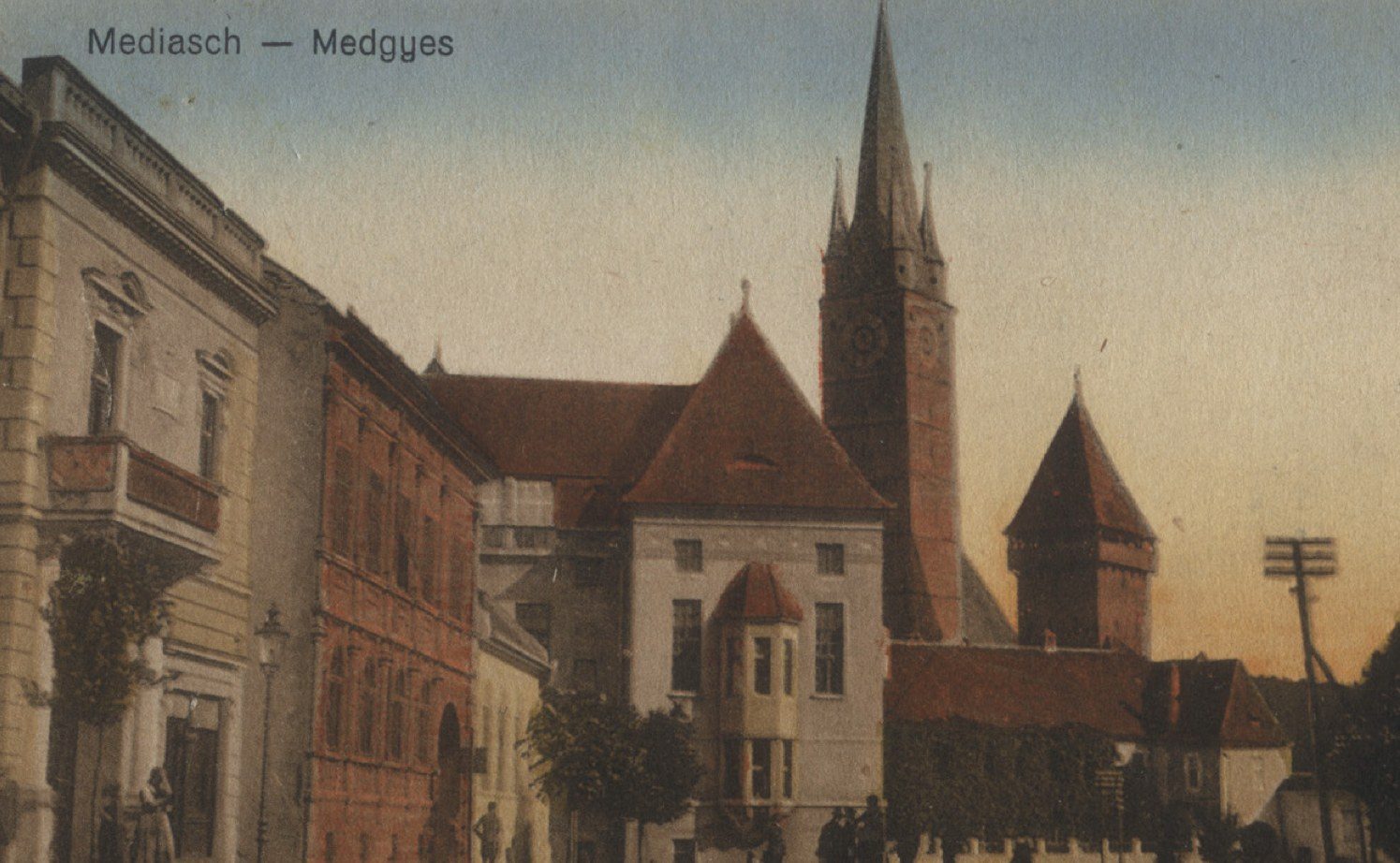
The Trumpeter’s Tower, St Margaret’s Church, the merchants’ houses and the vineyard hills still carry the echo of this history. Come and discover a town that made wine a way of life.
Start in the historic centre, follow the road to Gräfenberg and stop at a winery in the valley. The house at Honterus 6 is under restoration; please write ahead for visits.
Contact
Write to us.
For visits, research, press or collaborations, write to us. We answer from Mediaș, from the address of the Caspari house.
office@metropoladevin.roThe archive is open to those who wish to study it. A well-posed question finds an answer sooner.
Send an email